
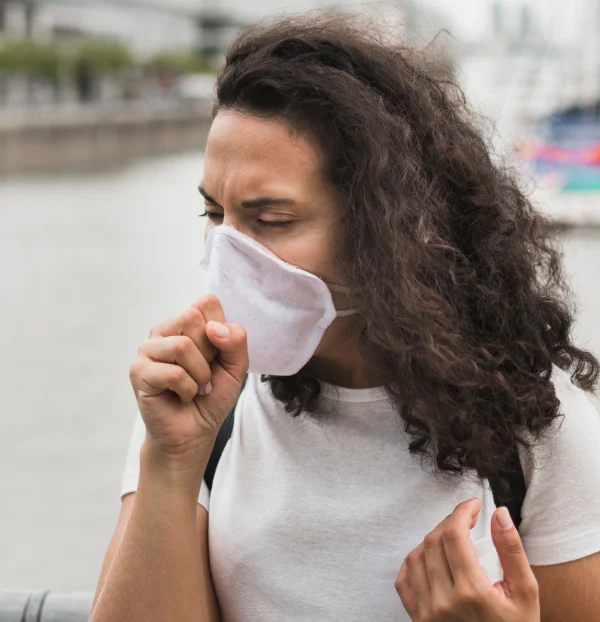
If you live in India, “just dust” and “season change” probably sound familiar. Sneezing every morning, itchy eyes on the commute, a cough that worsens after Diwali, or a child whose nose runs all winter – these are everyday stories in our cities.
Behind many of these symptoms lie allergies made worse by air pollution, pollen, dust, smoke and food triggers. Instead of guessing what went wrong each time, a simple habit can give you back control: keeping an allergy diary.
An allergy diary is a structured way to log what you feel, where you were, what you ate, and what the air was like around you. Over days and weeks, patterns emerge. And when you layer this with an app like AllerAid, which tracks air quality and sends personalised iAlerts, you can start preventing flares – not just treating them.
Why an allergy diary matters so much in India right now
Allergic diseases are no longer “rare” in India. Clinical reviews suggest that around 20–30% of people in India experience at least one allergic condition, and allergic rhinitis (nasal allergy) alone is estimated in a similar range. A recent initiative by the Indian Academy of Paediatrics estimates that 20–30% of Indian children are affected by allergies such as asthma, allergic rhinitis, food allergy and atopic dermatitis.
At the same time, India’s air has become increasingly hostile to sensitive airways:
- The latest Air Quality Life Index (AQLI) 2025 update shows that all 1.4 billion Indians live in areas where annual PM2.5 levels are above the WHO safe limit, and that reducing pollution to WHO guidelines could add about 3.5 years to the average Indian’s life expectancy.
- According to IQAir’s 2024 data, India’s average PM2.5 concentration was about 50.6 μg/m³, roughly 11 times higher than the WHO annual guideline of 5 μg/m³, making India the 5th most polluted country in the world.
- In October 2025, all 10 of India’s most polluted cities were in the Delhi–NCR region, with average PM2.5 levels over 100 μg/m³ in some locations – far above both Indian and WHO standards.
- On 10 November 2025, Delhi woke up to yet another hazy morning with over half of monitoring stations in the “severe” AQI category, and real-time dashboards showing city-wide AQI around 300 – a level considered very harmful for people with asthma and allergies.
Multiple medical studies link this kind of pollution – especially fine particles (PM2.5 and PM10), traffic fumes and smoke – to higher rates and severity of asthma and allergic rhinitis, particularly in urban areas.
Put simply:
In India today, allergies are rising and the air is a major trigger. If you’re not tracking when and where your symptoms worsen, you’re working in the dark.
An allergy diary turns this chaos into data. It helps you move from “my allergies are random” to “my allergies follow a pattern – and I can plan around it.”
What to record in your allergy diary (and why it matters)
For SEO and for real-life usefulness, let’s break down exactly what to log in your allergy diary or allergy-tracking app.
1. Symptoms (what you feel)
Examples:
- Sneezing, runny or blocked nose
- Itchy, red, or watery eyes
- Cough, wheeze, chest tightness, shortness of breath
- Itchy skin, rashes, hives
- Stomach pain, bloating, nausea after certain foods
Why this matters:
This is the core of your allergy diary. Write down what happened and how bad it was (mild / moderate / severe). Over time, you’ll see which symptoms show up together – e.g., sneezing + itchy eyes on high-pollen days, or cough + wheeze on high-pollution evenings.
2. Time (when symptoms start and stop)
What to note:
- Time symptoms began
- Time they peaked
- Time they settled
Why this matters:
Allergic reactions often follow a time delay. For example:
- 30–120 minutes after eating a certain food
- During or just after your commute
- Late night or early morning when pollution levels spike
Noting time helps you link the flare to what you were doing just before it started.
3. Location and activity (where you were, what you were doing)
Examples to log:
- At home: dusting, changing bedsheets, cleaning wardrobes
- Outdoors: on a two-wheeler, walking near a construction site, at a park
- At work or school: in air-conditioned rooms, near printers, in a canteen
- Social settings: visiting a friend’s home (with a pet), at a restaurant, at a wedding
Why this matters:
Many triggers are location-specific – a dusty office, a pet-friendly home, a construction-heavy route, or a specific classroom. Once you see that “every time I sweep the house without a mask, I sneeze for hours”, you can change the way you do that task.
4. Food, drinks and medications
What to include:
- Meals and snacks: especially new dishes, street food, heavily spiced food, packaged snacks
- Beverages: cold drinks, juices, milkshakes, alcohol (for adults)
- Medication: antibiotics, painkillers, supplements, and allergy medicines
Why this matters:
Some people have true food allergies, some have food intolerances, and some have flare-ups only when food and environmental triggers combine (for example, spicy food + high pollution = more throat irritation). Logging what you ate and drank helps you spot patterns like:
- “Whenever I eat fried street food and AQI is bad, my throat starts itching.”
- “Cold drinks + late nights seem to trigger my child’s cough.”
5. Air quality, pollen and environmental conditions
This is critical in India.
What to log (or let your app capture):
- Local AQI (Air Quality Index) – especially PM2.5
- Notable events: crop-burning season, firecrackers, construction dust, dust storms
- Weather: very dry, very humid, windy, sudden temperature drops
Why this matters:
On bad-air days, fine particles, smoke, and ozone irritate your airways and make them more reactive. If you consistently see that your sneezing, cough or asthma worsen on days with AQI > 200–300, you know pollution is a real trigger for you – not just “a background problem”.
An app like AllerAid can automatically pull this data for your location, so you don’t have to manually check multiple sites every day.
6. Treatments taken and how well they worked
Examples:
- Antihistamines (allergy tablets)
- Nasal sprays or inhalers
- Steam inhalation, saline rinses
- Home remedies (haldi doodh, kadha, saline gargles)
Why this matters:
Write down what you took, when, and whether it helped:
- “Cetirizine at 9 pm – sneezing reduced in 1 hour, drowsy next morning.”
- “Inhaler relieved chest tightness in 10 minutes, but cough returned in 3 hours.”
Over time, this helps you and your doctor see which treatments actually work for your pattern of triggers.
What’s happening in India’s air right now?
To understand why your allergy diary should include air-quality data, it helps to know what we’re breathing.
Recent data paint a stark picture:
- India’s average PM2.5 level in 2024 was about 50.6 μg/m³, more than 10–11 times the WHO annual guideline.
- The AQLI 2025 India factsheet notes that particulate levels in 2023 were more than eight times above WHO limits, and that this pollution shortens the average Indian’s life by around 3.5 years.
- In October 2025, 10 out of 10 of the worst-polluted Indian cities (by PM2.5) were in Delhi-NCR, with some towns recording monthly average PM2.5 above 120 μg/m³ – over twice India’s own “acceptable” limit and far beyond WHO’s.
- In early November 2025, Delhi again saw AQI levels in the “very poor” to “severe” range (roughly 300–400) at many monitoring stations, prompting health advisories and restrictions.
Medical research, both in India and globally, links this kind of chronic exposure to higher rates of asthma, allergic rhinitis, bronchitis and other respiratory illnesses, especially in urban children.
For someone with dust allergy, sinus issues or asthma, this means:
- You may react not only to “classic” triggers (pollen, pets, mites), but also to pollution spikes, smoke, construction dust and traffic fumes.
- Some days your allergy diary will reveal that even without a specific food or indoor trigger, a pollution spike alone was enough to start a flare.
How to keep an allergy diary without burning out
You don’t have to write long essays. Think of your allergy diary as short, structured notes you can jot in 30–60 seconds.
Practical tips
- Use your phone, not just pen and paper
A diary inside an app is easier to update on the go, search, and analyse later. - Log in small bursts
- Morning: how you woke up (good / blocked / coughing).
- During a flare: what you were doing, where you were, AQI (or just check the app).
- Night: quick recap of the day’s worst symptoms and any medicines.
- Be honest about “good days” too
Allergy diaries are not just for bad days. Log days when you felt fine. That helps you see which conditions are safe for you. - Use simple labels for severity
- 0 = no symptoms
- 1 = mild (annoying but manageable)
- 2 = moderate (needed medicine or rest)
- 3 = severe (interfered with work/school or sleep)
- Review once a week
Take 5–10 minutes each week to look back:- Are flares clustering on certain days (e.g., Mondays, Fridays)?
- Do they match high-AQI days, cleaning days, or eating out?
- Are there certain localities (office, coaching centre, relative’s house) that always show up on flare days?
Common trigger patterns Indian users often discover
Every person is different, but when people in Indian cities start using an allergy diary (especially with air-quality data), some typical patterns emerge:
- Commute + high AQI = morning or evening flares
- Sneezing, itchy eyes and throat irritation on days you ride a two-wheeler or auto on main roads when AQI is “very poor” or “severe”.
- House cleaning + dust = weekend flares
- Congestion, watery eyes and cough when you dust rugs, move furniture or clean cupboards – especially in older homes or near construction.
- Festival season or crop-burning months
- Flares during Diwali (firecrackers) and in October–November when crop-burning smoke pushes PM2.5 levels up across North India.
- Spicy/street food + bad air
- Throat itching or cough after eating extremely spicy food or oily street snacks on evenings when AQI is high.
- Air-conditioned spaces vs. natural ventilation
- Some people notice fewer symptoms in filtered, air-conditioned environments (with good filters) and more issues in rooms with open windows near busy roads, dusty plots or garbage burning.
Your allergy diary makes these patterns visible – and once you see them, you can change your behaviour, your route, your cleaning routine, or your timing.
How to use AllerAid: Allergy Diary + iAlerts to connect triggers and conditions
A manual diary is powerful. A digital allergy diary that talks to live air-quality and pollen data is even better. That’s where the AllerAid app comes in.
AllerAid is an allergy-tracking app built with India’s reality in mind – pollution spikes, crop-fire smoke, changing seasons and busy lives.
Key AllerAid features relevant to your allergy diary
- Allergy Diary screen
Log your daily episodes: sneezing, cough, itchy eyes, wheeze, rashes and more. The app helps you link each entry with location and time. - Real-time environmental monitoring
See AQI, pollen levels, dust and smoke alerts for your area, including hazards like crop-fire smoke and vehicular pollution. - iAlerts – personalised intelligent alerts
iAlerts use AI to combine your diary data with real-world conditions and send personalised alerts when the risk of a flare is higher – for example, when your city’s AQI is forecast to spike or pollen levels are up. - Medication reminders & treatment tracking
Set reminders for your prescribed medicines and see how consistently taking them impacts your symptoms over time.
Step-by-step: turning your AllerAid diary into action
- Set up your profile
- Add your city or neighbourhood, age, and whether you have asthma, sinus issues, dust allergy, etc.
- Add known allergens (dust mites, pollen, pet dander, certain foods) if you know them.
- Log honestly for 2–3 weeks
- Use the Allergy Diary to capture symptoms + simple context (activity, location) whenever you can.
- Let the app handle AQI, pollen and smoke data in the background.
- Watch iAlerts instead of checking 10 different apps
- When AllerAid warns you that pollution or pollen will be high, treat it like an early-warning system.
- That might be the day you:
- Wear an N95 mask outdoors
- Avoid jogging outside
- Keep windows shut
- Pre-emptively use your prescribed nasal spray or inhaler (as your doctor advises).
- Review your allergy trends
- After a few weeks, look at which days got the worst symptom scores and what the app says about air quality and other triggers on those days.
- If needed, take screenshots or export your log to discuss with your doctor.
- Adjust your lifestyle based on data, not guesswork
- Change commute routes or timings.
- Do heavy cleaning on days with better AQI.
- Plan high-risk foods (for those with non-severe reactions) only on “good-air” days.
- Use prescribed controllers regularly during known bad seasons.
Over time, you’re no longer reacting blindly – you’re using your own data plus environmental intelligence to minimise flares.
When to seek medical advice
An allergy diary is a tool – not a replacement for a doctor. Use it to decide when to ask for help and to share more accurate information when you do.
Talk to a qualified doctor (ideally an allergist or pulmonologist) if:
- Your cough, wheeze or shortness of breath is frequent or getting worse
- Night-time symptoms disturb sleep
- Your child misses school often because of allergy or asthma
- Over-the-counter medicines are no longer effective
- You suspect food allergies or severe reactions (swelling, breathing difficulty, dizziness – these need urgent care)
Bring your diary or app summary so your doctor can clearly see what, when, where and in which air-conditions symptoms appear.
Key takeaways
- India’s air is unhealthy across the map, and especially harsh in cities – which makes it critical for allergy sufferers to track not just their symptoms, but also pollution and pollen.
- An allergy diary that records symptoms, time, location, activity, food/meds and environmental data is one of the most powerful, low-cost tools for managing allergies.
- With apps like AllerAid, your allergy diary gets supercharged: the app automatically pulls AQI and pollen data, sends iAlerts before risk spikes, and helps you stay ahead of flares instead of chasing them.
- In a country where 20–30% of people – including children – live with allergies, a simple tracking habit can make the difference between feeling constantly overwhelmed and feeling in control.