
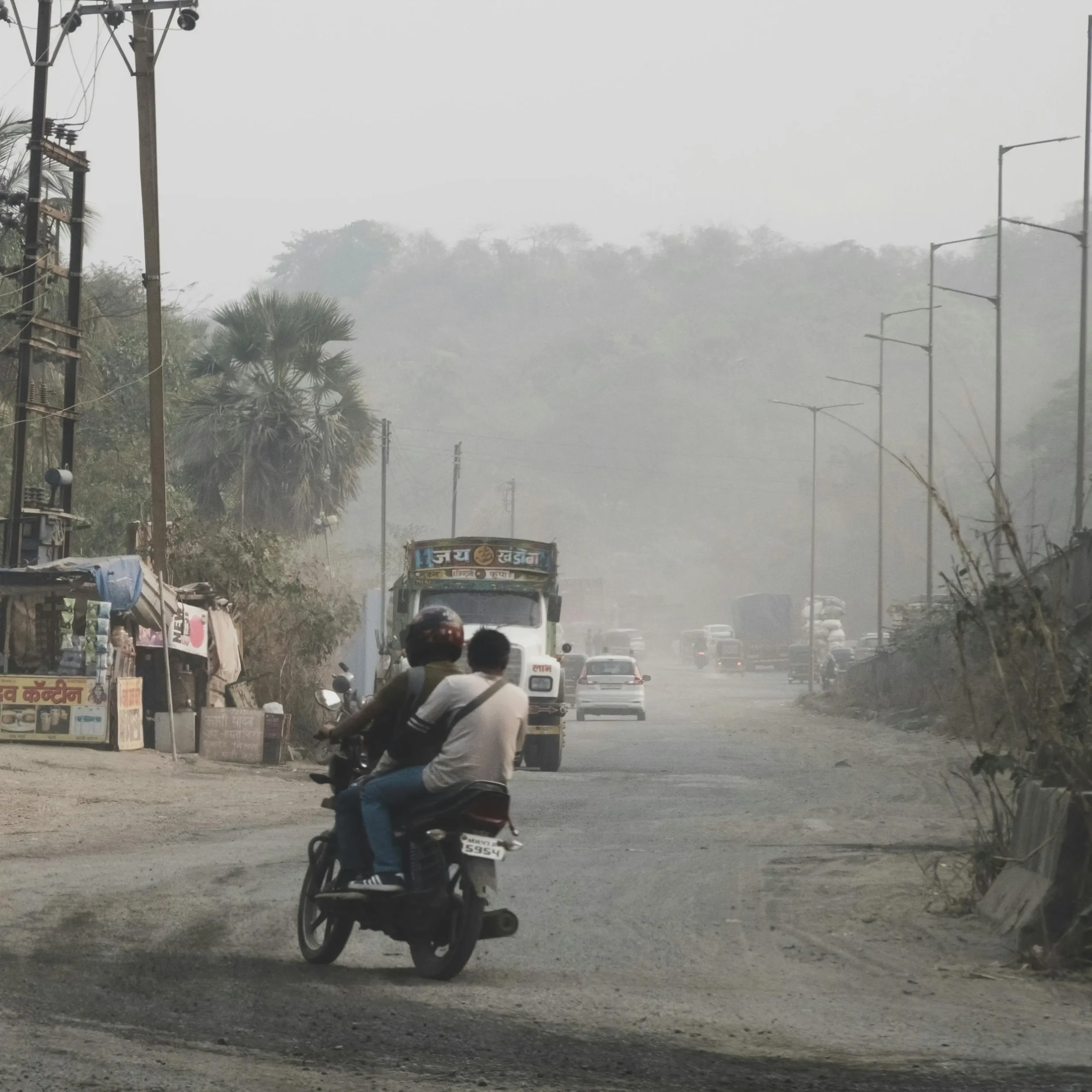
In recent years, India has witnessed a dramatic spike in respiratory diseases, driven by two interrelated factors: infections and climate change. From densely populated urban slums to remote rural areas, millions of Indians—especially children and the elderly—suffer from asthma, bronchitis, chronic cough, and other respiratory conditions. While traditional systems of medicine continue to offer support, a new wave of digital health apps like AllerAid is redefining how respiratory diseases are tracked, managed, and prevented.
This article explores how climate change and infections are contributing to the rise in respiratory illnesses in India, and how AllerAid is helping people monitor symptoms, manage triggers, and improve their respiratory health in real time.
Respiratory Infections: A Widespread Health Challenge
Respiratory tract infections—ranging from the common cold to pneumonia and bronchitis—are widespread in India. Key contributing factors include:
- Densely populated living conditions, especially in urban areas
• Poor hygiene and sanitation
• Limited ventilation in homes and public spaces
• Seasonal changes that encourage viral spread
• Low immunity, particularly among children and the elderly
Tuberculosis (TB), caused by Mycobacterium tuberculosis, remains a persistent issue. Despite ongoing government efforts, TB still claims over 400,000 lives annually in India.
Viral infections like influenza and COVID-19 have also left a lasting impact. Many people experience long-term complications such as post-viral bronchitis, asthma, or reactive airway disease.
Climate Change: A Silent Aggravator of Respiratory Problems
The effects of climate change go beyond rising sea levels and melting glaciers—it’s also affecting lung health. In India, climate-related factors that worsen respiratory illness include:
- Increased air pollution due to extended dry seasons, forest fires, and dust storms
• Altered pollen patterns that prolong allergy seasons and trigger asthma
• Extreme temperatures that increase vulnerability to infections
• High humidity, which promotes mold growth in homes and public buildings
Children and elderly individuals are particularly vulnerable. Cities like Delhi, Kolkata, and Lucknow are already seeing a rise in asthma cases linked to smog, weather shifts, and low air quality.
The Vicious Cycle: How Climate Change and Infections Worsen Each Other
India’s respiratory health crisis is fueled by a self-reinforcing loop in which climate change and infections continually intensify one another, particularly among the most vulnerable groups.
- Climate Change Weakens the Body’s Defenses
Global warming has led to longer summers, erratic monsoons, and higher humidity. These environmental changes weaken the respiratory system in several ways:
- Sudden temperature drops constrict airways and lower mucosal immunity
• Increased humidity promotes indoor mold growth, a known asthma trigger
• Longer pollen seasons increase allergic responses, especially in children
As the environment grows more hostile, the body becomes less capable of managing respiratory stress.
- Infections Thrive in Changing Environments
An immune system already burdened by pollution or extreme weather is more prone to severe infections. Warm, humid conditions encourage the growth and spread of:
- Bacteria and viruses that cause bronchitis, pneumonia, and the flu
• Allergens like dust mites and mold spores that irritate the lungs
These disease agents spread quickly in crowded, poorly ventilated environments, which are common in many Indian cities.
- Repeated Infections Lead to Chronic Damage
Every respiratory infection, whether minor or severe, leaves lasting effects on the lungs, including:
- Chronic inflammation
• Scar tissue formation
• Reduced lung capacity
Over time, repeated infections can lead to long-term conditions like asthma or COPD, especially when treatment is inadequate.
- Chronic Illness Increases Sensitivity to Climate
Once someone develops a chronic respiratory condition, they become far more sensitive to environmental changes. Even minor events like dust storms or sudden temperature drops can trigger serious symptoms. This results in:
- Higher dependence on medications
• More frequent hospital visits
• Declining quality of life
People with chronic respiratory issues are trapped in a loop of increasing sensitivity and recurring illness.
- A Systemic Burden on Public Health
This ongoing cycle strains India’s healthcare system. The rising number of respiratory cases leads to:
- Overcrowded clinics and hospitals
• Higher healthcare costs
• Increased antibiotic use, raising the risk of drug resistance
If left unaddressed, this issue could escalate into a national public health crisis.
Enter AllerAid: A Tech-Based Solution for Respiratory Wellness
In a world where technology is reshaping healthcare, AllerAid stands out as an innovative app built for people with allergies and respiratory conditions. Designed to meet the diverse climate and population needs of India, AllerAid empowers individuals to take control of their respiratory health.
Here’s how AllerAid addresses the two primary threats—infectious diseases and climate change.
- Real-Time Air Quality Tracking
AllerAid delivers location-based updates on:
- Air Quality Index (AQI)
• Pollen levels
• Dust concentrations
• Humidity and temperature conditions
Users can take preventive steps such as wearing masks, using air purifiers, or limiting outdoor exposure when air quality is poor.
- Symptom and Medication Tracking
The app helps users:
- Log daily symptoms like coughing, breathlessness, and wheezing
• Track medications including inhalers and antibiotics
• Identify patterns of recurring infections to support better medical consultation
- Personalized Climate Alerts
Environmental triggers like cold winds or sudden humidity spikes can cause asthma attacks or flare-ups. AllerAid sends personalized alerts based on user health data, such as:
- High humidity in your area—consider using a dehumidifier
• Elevated pollen count—take allergy precautions
- Educational Resources
AllerAid offers an extensive library of content, including videos, blog posts, and podcasts on topics like:
- How to prevent respiratory infections during seasonal shifts
• Safety during smog or dust storms
• Asthma management for children
• Ways to improve indoor air quality
Conclusion: Breathing Better with Awareness and Technology
India’s battle against respiratory illness is far from over, especially as infections and climate change become more aggressive. However, awareness, early action, and the right tools can make a significant difference.
The AllerAid app does more than monitor symptoms—it empowers users to make informed decisions about their environment, treatment, and daily habits. With a science-driven approach and user-friendly design, AllerAid offers a much-needed solution in a country where respiratory illnesses affect millions.
For those living with asthma, chronic cough, or recurring infections, AllerAid is more than an app. It’s a breath of fresh air.