
This article explores the issue of dust pollution caused by farming activities in India, particularly in regions with intensive agriculture and fragile ecological systems. It delves into the causes, impacts, and potential remedies to mitigate the effects of dust pollution on agricultural practices. By analyzing these aspects, the article aims to shed light on how to regulate dust pollution and its implications for sustainable farming in India.
Natural causes
- Dust Storms: In arid and semi-arid regions, strong winds lift loose soil, creating dust storms that carry fine particles over hundreds of kilometers, often causing respiratory issues.
- Desertification: The expansion of deserts, driven by climate change and deforestation, leads to an increase in airborne dust.
- Seasonal Weather: Rainfall deficiencies, prolonged dry seasons, and high temperatures are significant factors contributing to dust generation in open areas.
Agricultural Practices:
- Tilling and Plowing: Traditional farming methods, such as tilling and plowing, disturb the soil and release fine dust particles, which can lead to dust allergies.
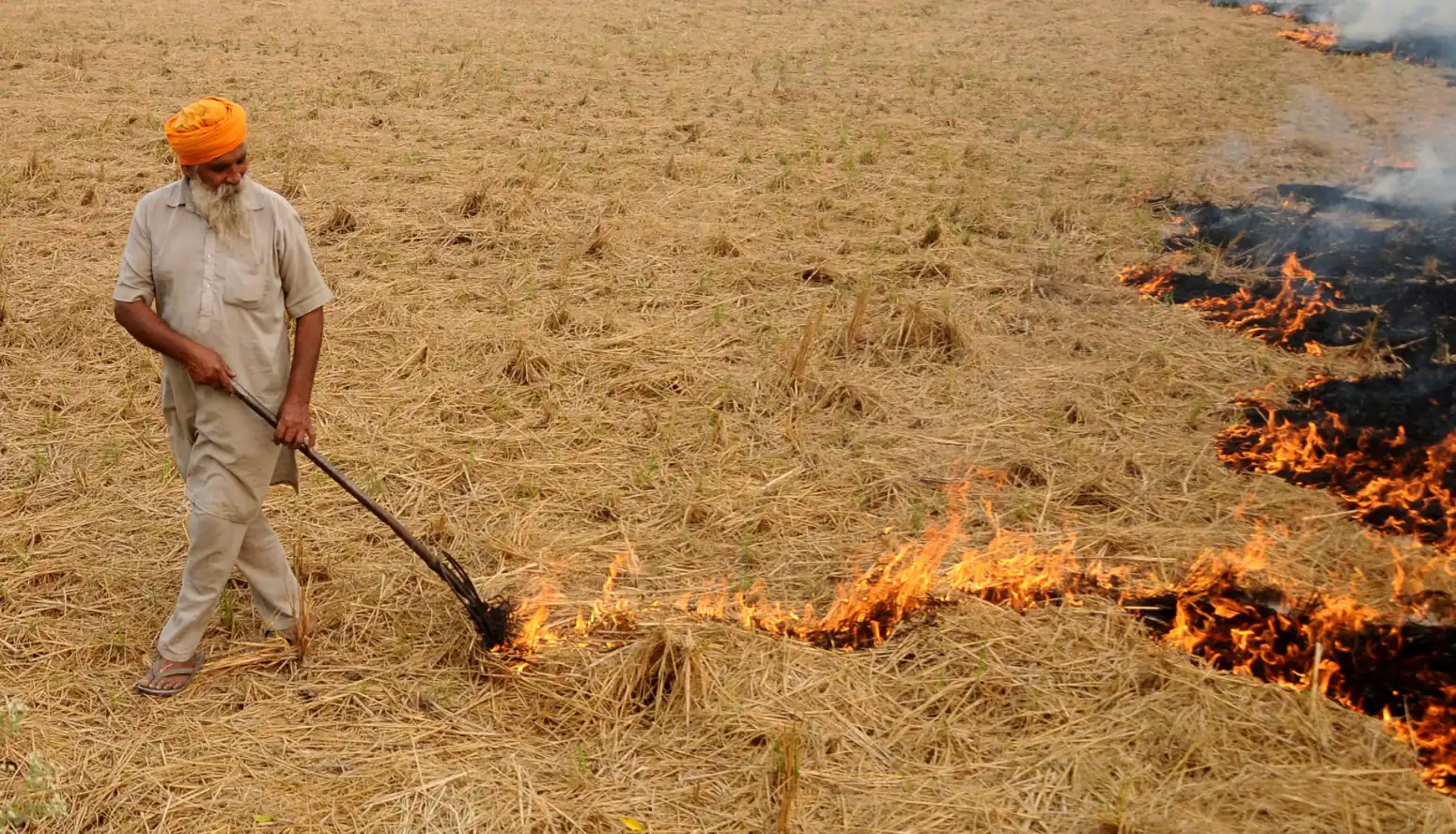
- Stubble Burning: The practice of burning agricultural waste generates fine particles (PM2.5 and PM10) in the air, significantly contributing to air pollution.
Poor Waste Management:
- Uncovered Dumps: Handling waste at exposed sites releases fine dust particles, which are easily carried by the wind, spreading dust allergens.
- Waste Burning: A major contributor to air pollution, particularly in urban areas, as it releases high levels of particulate matter into the air.
Mining and Quarrying:
- Soil Disturbance: Mining operations, including extraction and transportation, disrupt the soil system and release dust and allergens into the environment.
- Explosives: Blasting activities generate dust and harmful particles, polluting the environment and adversely affecting local health.
Innovative Solutions to Tackle Dust Pollution
Every problem comes with a solution; in a similar vein, dust pollution can be controlled and mitigated. Let’s explore some innovative and creative approaches that can effectively address the root cause and impact.
Improving Agricultural Practices:
Efficient agricultural practices are among the best ways to minimize dust pollution and its environmental impacts. Conservation farming methods, such as crop rotation and cover cropping, reduce soil disturbance and, in turn, decrease dust generation. Additionally, using organic mulch not only prevents wind erosion but also conserves soil moisture, enhancing crop health.
Eliminating stubble burning is another critical step. Sustainable alternatives, such as bio-composting, bioenergy production, and the use of advanced residue management machinery, can significantly reduce agricultural dust emissions. These practices provide effective solutions to dust-related challenges in agriculture.
Dust Monitoring and Alerts:
- Real-Time Air Quality Index (AQI) Updates: Providing real-time information on dust levels and particulate matter concentrations, such as PM2.5 and PM10, helps address and manage dust pollution effectively.
- Dust Storm Warnings: Issuing alerts for dust storms and high-dust conditions ensures the public can take precautionary measures, making it a highly beneficial tool for mitigation.
Dust Control for Industries and Agriculture:
- Custom Recommendation: Workers in industries, construction sites, and farms need guidance on dust management solutions. These include dust suppression techniques or alternative stubble-burning methods that are more environmentally friendly.
- Compliance Tracking: Assisting companies and farmers in tracking compliance with local air quality standards can help address dust pollution effectively.
- Virtual workshops: Departments can organize sessions on sustainable farming techniques, such as no-till farming or the use of organic mulch.
AllerAid: The Smart Way to Conquer Allergies and Dust Pollution
Let’s explore a smart solution to help manage and reduce the daily impact of dust pollution. The AllerAid App offers a revolutionary approach, specifically designed to empower users to take control of their health.
How to track allergies with AllerAid
AllerAid makes it easy to track allergy symptoms and take timely action, empowering users to manage their health effectively.
- Symptom Tracker: Users can log daily symptoms such as sneezing, coughing, or skin irritation. This feature helps identify patterns and triggers caused by dust and other allergens.
- Personalized Insights: Based on user-logged data, the AllerAid App provides personalized insights, highlighting possible allergens and recommending preventive measures to minimize exposure.
- Medication Reminders: For users managing allergies with medication, the app sends timely reminders, ensuring proper administration and reducing the risk of severe reactions.
- Allergy Diary: This feature allows users to record their health data, which they can share with doctors for more accurate diagnoses and personalized treatment plans.
Checking AQI Around the Area
The AllerAid app integrates real-time air quality data to inform users about their surroundings and environment.
- AQI Monitoring: The app monitors real-time AQI at the user’s location, including particulate matter levels (PM2.5 and PM10), major contributors to dust pollution.
- Location-Based Alerts: Users receive alerts when AQI levels change, enabling them to take precautions such as wearing masks or staying indoors when AQI levels are high.
- Historical Data Analysis: The app provides long-term AQI trends, helping users understand seasonal variations and plan accordingly.
How AllerAid Can Help Combat Dust Pollution
In addition to being a tool for allergy management, the AllerAid App contributes to the broader effort of reducing dust pollution through the following features:
Community Reporting: The app enables users to report dust-prone areas, such as construction sites or stubble-burning zones, creating a crowdsourced map of high-risk locations.
Supporting Policy Advocacy: Aggregated user data is shared anonymously with policymakers to highlight critical areas requiring mitigation efforts for dust pollution.
Conclusion
In today’s environment, dust pollution and allergies are growing concerns, significantly impacting health, productivity, and overall well-being. Innovative solutions that combine technology, awareness, and sustainable practices are essential for meaningful change. The AllerAid App has emerged as an all-inclusive tool to address these challenges effectively.
With features such as personal allergy tracking, monitoring local pollution levels, checking the AQI of specific areas, and providing alerts and notifications, the app empowers users to take control of their health amidst critical environmental changes. AllerAid is more than just a personal health tool—it’s a step toward building a cleaner and healthier world.
Collectively, these efforts help individuals breathe cleaner air, live healthier lives, and contribute to creating a more sustainable future.